Featured
Table of Contents
You can, therefore, target particular audiences thinking about your product or services. You can advertise fishing equipment before a video with fishing pointers. Investing on programmatic display screen advertisements increased by 41.2% from 2019 to 2020, according to a case research study by eMarketer. This display ad type uses real-time bidding (RTB) to particularly target audiences interested in your offerings.
The RTB procedure involves bidding on advertisement inventory so you can advertise your items to a particular kind of consumer. The greatest bidder will win the chance to show their advertisements to their target demographic. Pop-up ads display on top of a user's web browser window, while pop-under advertisements show under their current window.
While you require to learn about these types of ads, you don't wish to utilize them. You'll want to stay as far away from them as possible. This is due to the fact that they are invasive and harken back to an older age of digital advertising both of which you probably don't wish to relate to your modern brand.
Boosting Online Growth Through PPC
It thinks about a website's content and keywords to deliver tailored user experiences. For example, someone seeing a fitness site may see a contextual screen ad about new training shoes. differs from behavioral marketing, because it doesn't utilize cookies to track user information. This allows you target consumers on internet browsers that prevent you from collecting third-party information.
With the CPC model, you, as the advertiser, pay a predetermined cost to the advertisement network each time a user clicks your ad. This model is especially effective when the goal is to drive direct reactions or actions from the audience. Alternatively, the CPM model charges you for every single 1000 impressions or views your ad gets, regardless of whether the user connects with the ad or not.
As you can see, "show ads" encompasses various kinds of advertisements each with their own benefits, strategies and drawbacks. The kind of screen ads you use depends upon your usage case and how you wish to target your audience. You can integrate several ads from the list above into your efficient screen advertising techniques and boost engagement, awareness, and sales.
That suggests things like sponsored posts, recommended content or in-feed posts. They do not stand out, they blend in. The great feature of native marketing is that they're terrific for trust and reveal generally greater click through rates (CTR). People don't tend to neglect native marketing like they can do with screen marketing, as it feels less invasive and perhaps even helpful.
Ways of Managing Strategic Advertising Errors
You might really like the sound of the dish and wish to utilize it, even though it's an advert. Whereas, if you saw a banner ad for the same product, you might overlook it altogether. Display ads are terrific for reach and visibility though, plus they're easier to purchase, helpful for retargeting, and you get clear statistics on impressions.
But if it's deep engagement, education and greater CTR, it might be that native advertisements are best. Show advertisements encounter substantial ad networks (like Google Display Network), reaching countless websites and apps. Plus, they're best for constructing awareness quickly. Display ads support rich media, animation, and video. They let you show off your brand name's look, products, or promotions in a way text advertisements can't.
That indicates you can follow users who've currently visited your website, and ensure your brand name is leading of mind. CPMs (expense per mille, or thousand impressions) are normally low compared to social or search advertisements, making it effective for top-of-funnel campaigns. Even if users don't click, consistent visuals build familiarity and credibility in time.

Integrating Cross-Platform Media Tactics
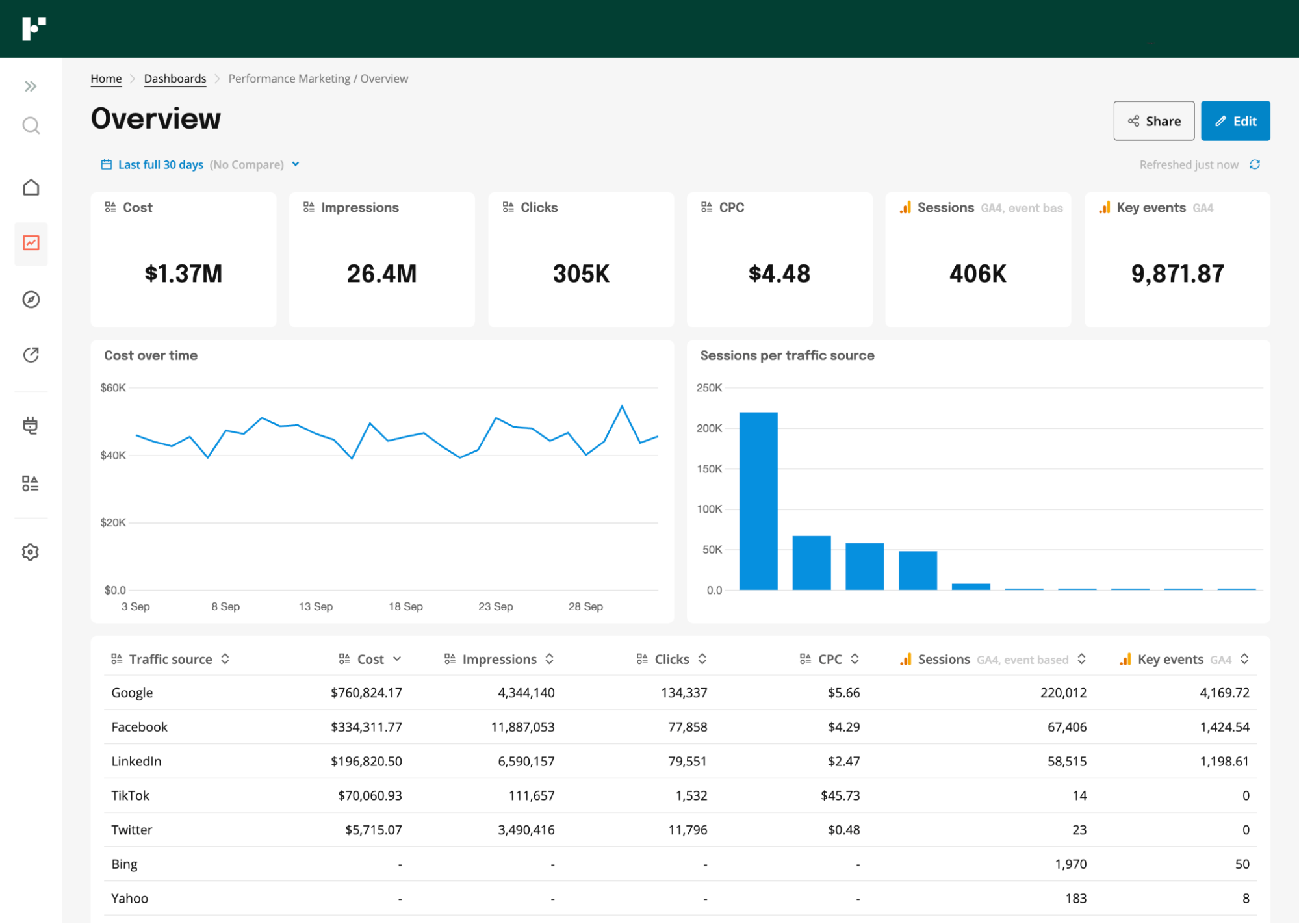
With screen, you can track impressions, clicks, view-through conversions, and helped conversions. Plus, this integrates with analytics tools for clear ROI tracking. Good question! Due to the fact that there's no point making your screen advertisements unless you're going to track the success of them, and enhance and enhance for next time. The initial step is to define your audience and your campaign objective; whether that's awareness, engagement, or conversions.
Do not forget to utilize the right ad specs and sizes for the platforms you're running on so your stunning creative ideas display as they were planned. After launch, track your efficiency by monitoring the ideal metrics in Funnel, such as impressions, CTR, conversions, and invest. And after that finally, create a report that highlights your essential learnings and insights.
The costs amongst various kinds of display advertisements can differ substantially based on the complexity, platform, and targeting methods utilized. Rich media advertisements, interactive banners, and video advertisements typically come at a greater cost due to their dynamic and appealing nature, requiring more innovative and technical resources. In contrast, static banner ads may be more economical, particularly for campaigns concentrating on broad reach instead of deep engagement.
Comparing PPC and Display Media Strategies
For static advertisements, focus on premium images and readable text. For interactive and video advertisements, ensure the user experience is engaging without being invasive.
For one, positioning all your banner ads yourself offers you a lot of control over how you promote. You can thoroughly veterinarian prospect sites to release on before you choose if their content matches yours.
If you select such websites thoroughly, your banner advertisement can be reasonably reliable. A small Website that caters to an extremely particular niche might not have very high traffic, but individuals who do see are more most likely to engage with your advertisement For example, If you offer uncommon 1930s pinball makers, a well-placed advertisement on a small antique toy collector website could bring you large quantities of traffic.
Comparing Paid Search Versus Display Media Strategies
Start by searching the website to see if they have a page for prospective marketers. Bigger sites will probably have actually a set advertising plan with a relatively high rate tag.
There is a wide variation in pricing due to the fact that different Web sites have different levels of appeal and various sorts of audiences. A website with consistently high traffic will usually charge a lot more than a less popular website. If a site accommodates a specific specific niche, it may cost more than a basic interest site because its advertisers can more successfully target a specific demographic.
Boosting Ecommerce Sales Through Strategic SEM
Smaller sized sites might not have even had any advertising strategies, which means you might be able to work out a bargain with them.
Example of a screen ad. (Not my copywriting.) When I was a new copywriter, I in fact hated display screen advertisements. Probably due to the fact that it was remarkably tough to be compelling in just a few words (but that's sort of the entire objective with copywriting). But when a growing number of display screen ad project requests can be found in, I understood I needed to figure out how to do them extremely well.

Latest Posts
Reducing Inefficient PPC Spend While Keeping Optimal Reach
Will Strategic Giving Transform Pediatric Care?
How Data-Backed Models Optimize PPC Outcomes